
float glass tin bath
Tinted glass is a versatile material that combines practicality with visual appeal. By altering the optical properties of traditional glass, tinted glass offers solutions for managing sunlight, reducing heat transfer, and enhancing architectural design. This article delves into the features, applications, technical specifications, and industry context of tinted glass, supported by authoritative references and detailed product insights. Key Features of Tinted Glass 1. Heat Absorption and Solar Control Tinted glass is engineered to absorb solar radiation more effectively than clear float glass . For instance, a 6mm thick clear float glass has a heat transmittance of 84%, whereas tinted glass reduces this to approximately 60%. The darker the tint, the lower the heat transmittance, making it an ideal solution for regions with intense sunlight. This property not only enhances thermal comfort but also contributes to energy savings by reducing the need for air conditioning. According to NIST (National Institute of Standards and Technology), materials with enhanced solar control properties play a critical role in energy-efficient building design. Tinted glass aligns with these standards by optimizing thermal performance, as highlighted in NIST's research on sustainable construction materials. 2. Light Intensity Reduction In areas with high solar exposure, such as deserts or low-latitude regions, excessive sunlight can cause visual discomfort and reduce productivity. Tinted glass effectively softens sunlight, maintaining a balanced indoor light level. This feature is particularly beneficial for commercial spaces, residential buildings, and automotive applications. For example, tinted glass in vehicles helps prevent driver fatigue caused by glare, improving road safety. Additionally, the company offers reflective glass , which combines the benefits of tinted glass with enhanced energy efficiency through advanced coating technologies. Applications of Tinted Glass 1. Architectural Design Tinted glass is a cornerstone of modern architecture, used in building facades to create visually striking exteriors. Its ability to reduce glare and heat transfer makes it a preferred choice for office buildings, retail spaces, and residential homes. By integrating tinted glass into window systems, architects can achieve a harmonious balance between natural lighting and thermal regulation. According to NIST , the use of tinted glass in building envelopes contributes to compliance with energy codes and sustainability goals. This aligns with the growing emphasis on green building practices, as outlined in NIST's guidelines for energy-efficient materials. 2. Interior Decoration Beyond its functional benefits, tinted glass adds aesthetic value to interior spaces. Its rich color palette—ranging from blue tinted glass to grey tinted glass —allows for creative design solutions. Whether used as partitions, cabinet panels, or decorative elements, tinted glass enhances the visual appeal of any room while maintaining privacy and light control. 3. Automotive Industry In the automotive sector, tinted glass is employed in windshields and side windows to block harmful UV rays and reduce cabin temperatures. This not only improves driver comfort but also protects interior materials from sun damage. The integration of gray tinted glass and black tinted glass in vehicle design demonstrates its versatility in meeting both safety and style requirements. Product Specifications Size (mm) 1650x2140, 1830x2440, 2140x3300, 2440x3300, or custom sizes Thickness 4mm, 5mm, 6mm, 8mm Color Options Golden Bronze, Euro-Bronze, Dark Grey, Euro Grey, Black, F-Blue, Dark Green, F-Green, Ocean Blue, and more Applications Architecture, furniture, and interior decoration Product Display and Customization The company offers a wide range of tinted glass products, including tinted glass sheet , which can be customized to meet specific project requirements. Advanced processing options such as cutting, tempering, and laminating ensure that the glass adapts to diverse applications. Below are some examples of tinted glass products: Company Background Produced by SHAHE SHOTT GLASS Co., Ltd. (沙河市消特玻璃有限公司), tinted glass is manufactured with a focus on quality and innovation. The company specializes in providing customized glass solutions for global markets, leveraging advanced technologies to meet diverse industry needs. As a leading supplier in the glass manufacturing sector, SHAHE SHOTT GLASS Co., Ltd. ensures that its products comply with international standards. Their commitment to excellence is reflected in the wide range of tinted glass options, including bronze tinted glass and blue tinted glass , which cater to both functional and aesthetic requirements. Conclusion Tinted glass represents a fusion of technology and design, offering practical solutions for energy efficiency, visual comfort, and architectural creativity. With its ability to control solar radiation and enhance interior environments, tinted glass is a valuable asset in modern construction and design. By partnering with industry leaders like SHAHE SHOTT GLASS Co., Ltd., businesses can access high-quality, customizable glass products that meet evolving market demands. References National Institute of Standards and Technology (NIST) . (n.d.). Energy Efficiency in Building Materials . Retrieved from https://www.nist.gov/

-
mirror glass sheets cut to size
mirror glass sheets cut to size
View Details -
round silver bathroom mirror
round silver bathroom mirror
View Details -

bathroom mirror with lights around it
bathroom mirror with lights around it
View Details -

illuminated bedroom mirror
illuminated bedroom mirror
View Details -
reeded obscure glass
reeded obscure glass
View Details
Our application
-
 read more
 -
 read more
 -
 read more
 -
 read more
 -
 read more
 -
 read more
news and information
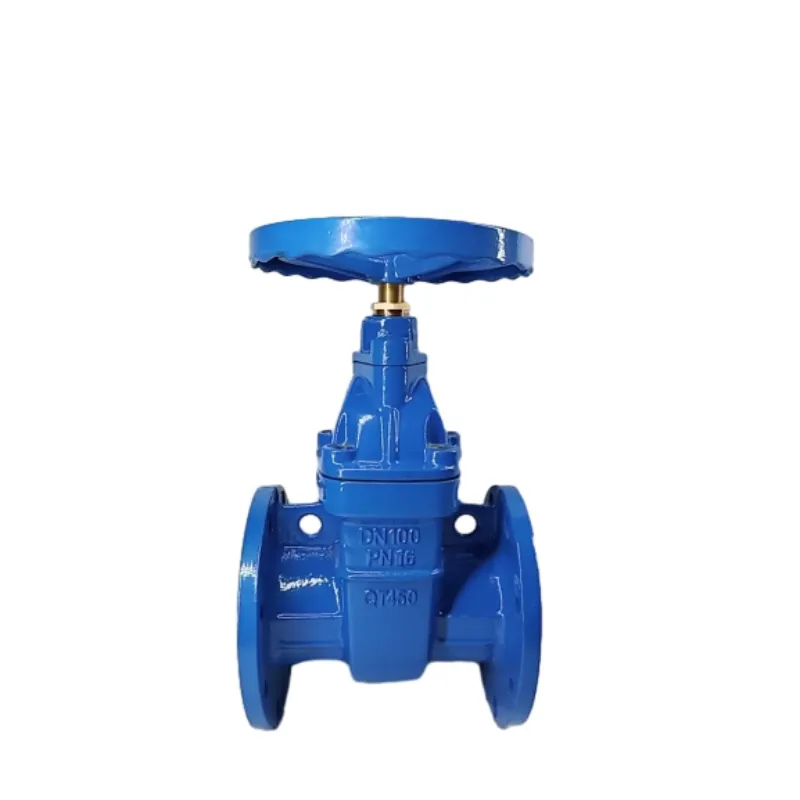
Welding Methods Used in Metal Table Fabrication
In the realm of metal table fabrication , choosing the right welding methods is crucial for creating
where is the water shut off valve
Where is the Water Shut-Off Valve? Understanding the location and function of the water shut-off val

use of thread gauge
The Use of Thread Gauges Ensuring Precision in Manufacturing In the world of manufacturing and engin